Author: Motion Informatics

June 21, 2026

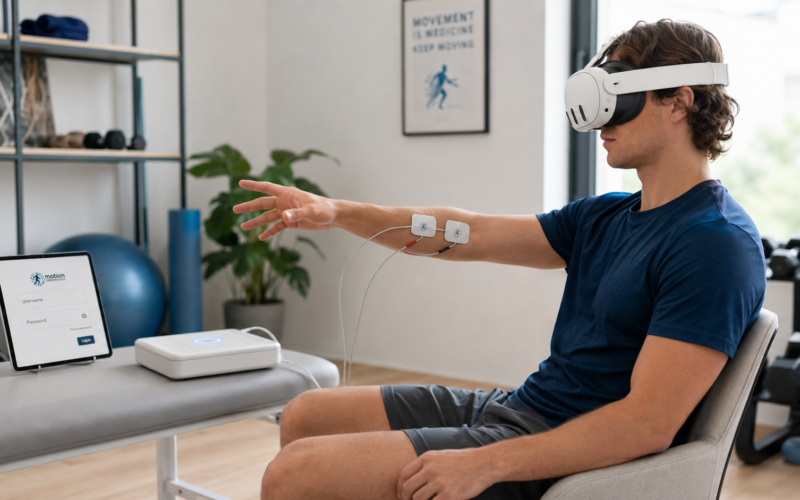
Mirroring Success: Activating Primed Pathways with Mirror Neurons

The podcast explores the unique ability of mirror neurons in the premotor and parietal cortices to fire both during action execution and observation. For patients with limited movement, simply watching a functional task can activate latent motor circuits and prime them for execution. It explains how combining this observational learning with EMG-triggered stimulation creates a […]
June 8, 2026

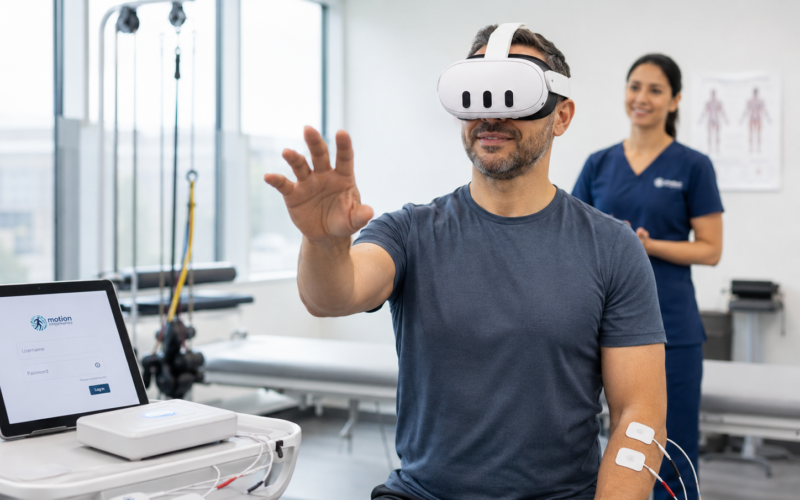
Axionis-Kynara: Next-Generation AI System for Neuro-Muscular Therapy

Discover Axionis-Kynara, Motion Informatics’ next-generation AI-driven rehabilitation system.Designed for neuro-muscular therapy, Axionis-Kynara combines advanced sensors, real-time biofeedback, and intelligent stimulation to create a personalized and engaging therapy experience. In this short pitch, you’ll see how Axionis-Kynara enhances patient outcomes, supports therapists, and brings innovative digital health technology to modern rehabilitation environments.

June 8, 2026

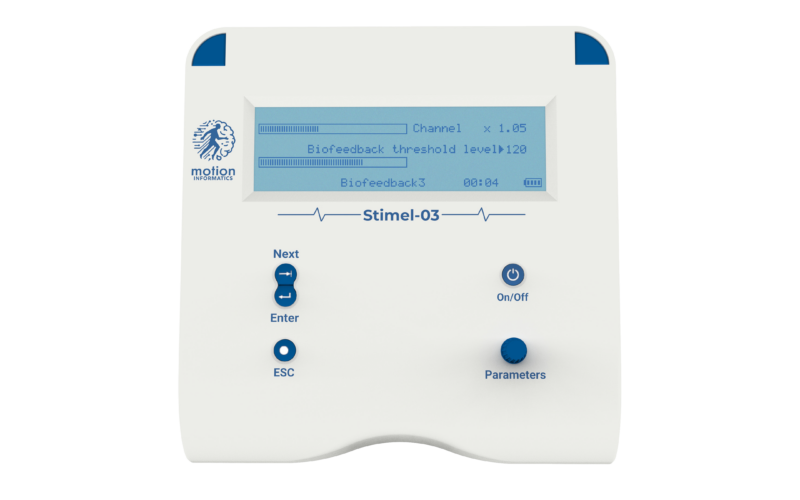
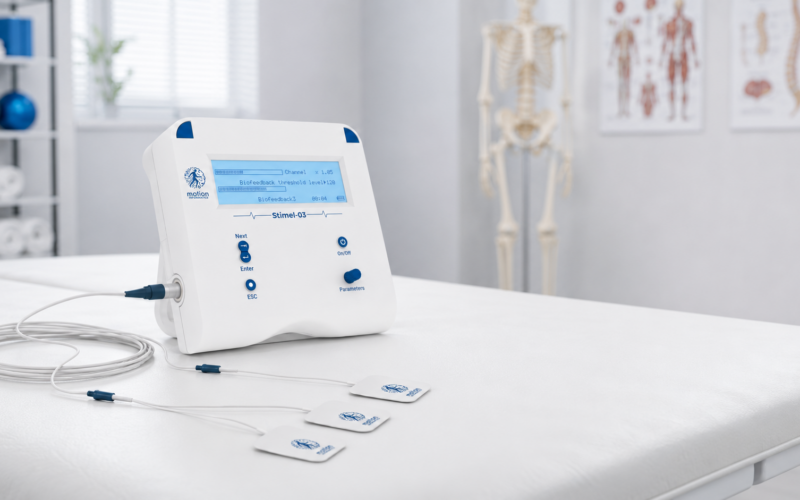
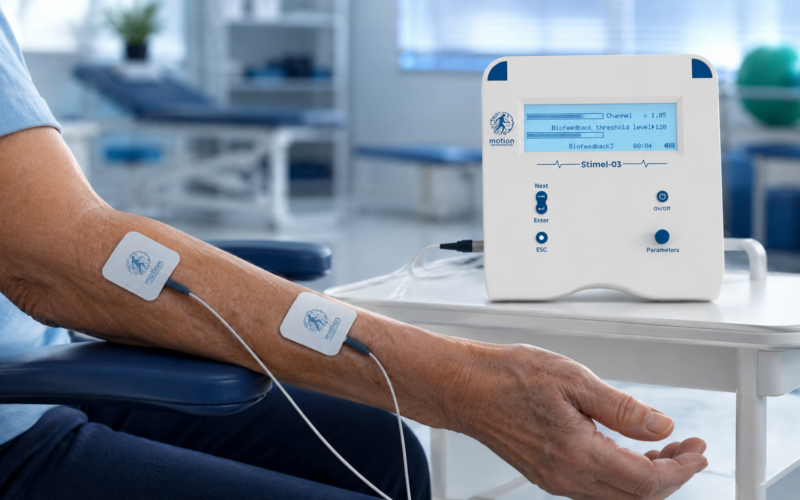
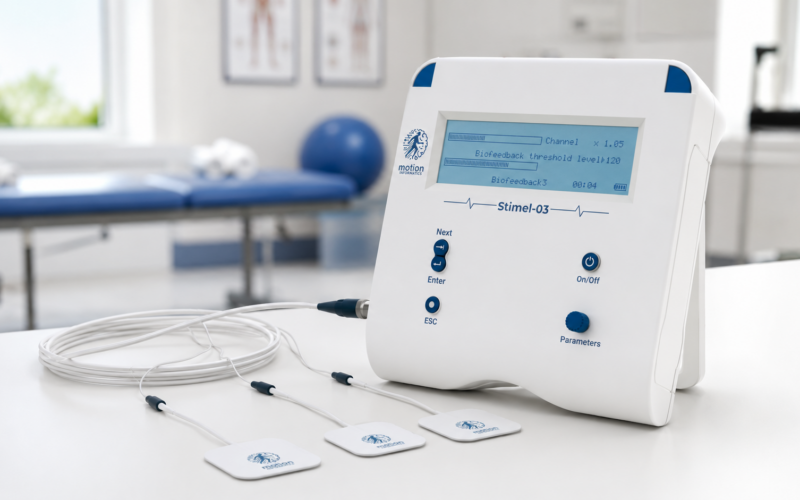
The STIMEL-03: A personalized rehab device for clinics, physicians and home-use

For clinics or physicians, experts in the rehabilitation industry, working with stroke survivors or brain injury patients who suffer from motor impairments in their arms or legs, and want to regain their independence. The Stimel-03 is a new Neuro-Rehabilitation device with clinically proven efficacy for stroke survivors. By incorporating the Stimel-03 into your physical therapy […]

June 8, 2026

Spatial StimelMD (SSMD): AI & AR-Powered Neuromuscular Therapy System

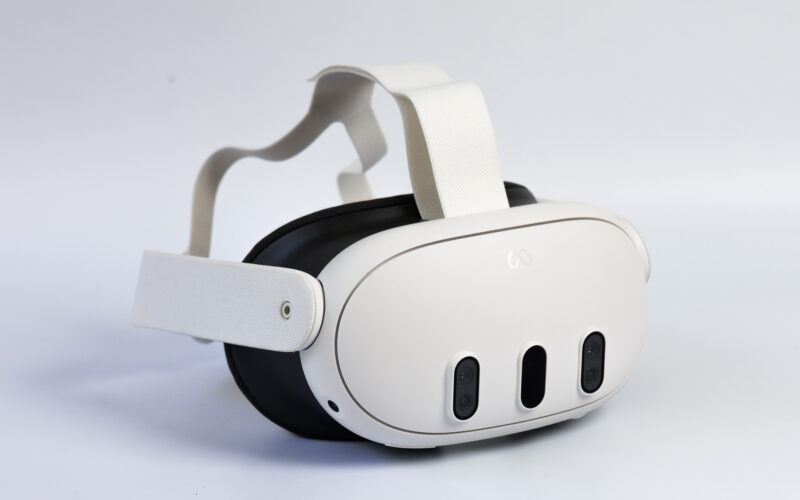
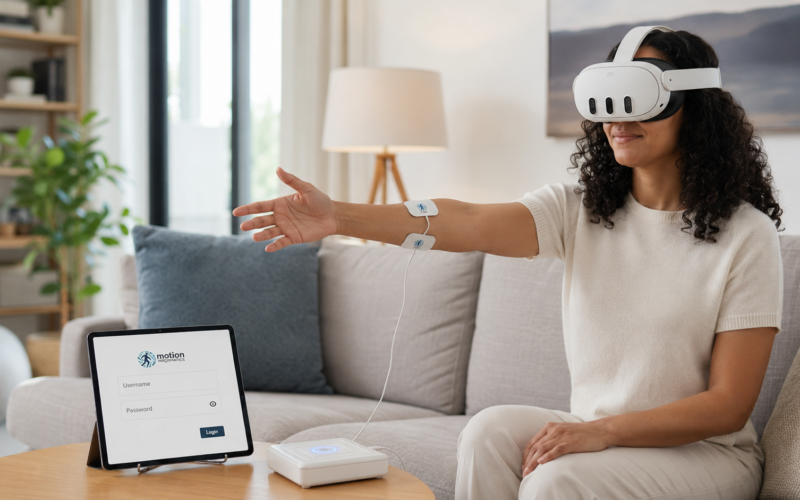
Spatial StimelMD (SSMD) is Motion Informatics’ next-generation neuromuscular therapy system, powered by AI and augmented reality. It combines intelligent algorithms, real-time biofeedback, and immersive AR environments to deliver adaptive, personalized therapy for stroke and neuromuscular conditions.SSMD represents a new approach to digital therapy, designed to support clinicians and enhance patient engagement.

June 7, 2026

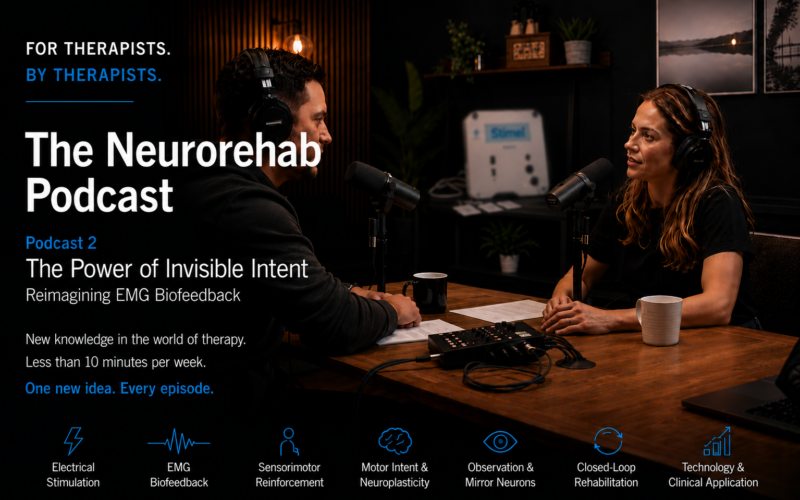
The Power of Invisible Intent: Reimagining EMG Biofeedback

This episode focuses on the clinical value of “invisible” intent, where the brain attempts movement that doesn’t yet result in joint motion. It explains how surface EMG can detect micro-volitional signals as low as 10 – 30 microvolts, which reflect genuine descending neural drive. Biofeedback transforms these signals into visual data, allowing patients to see […]

May 31, 2026

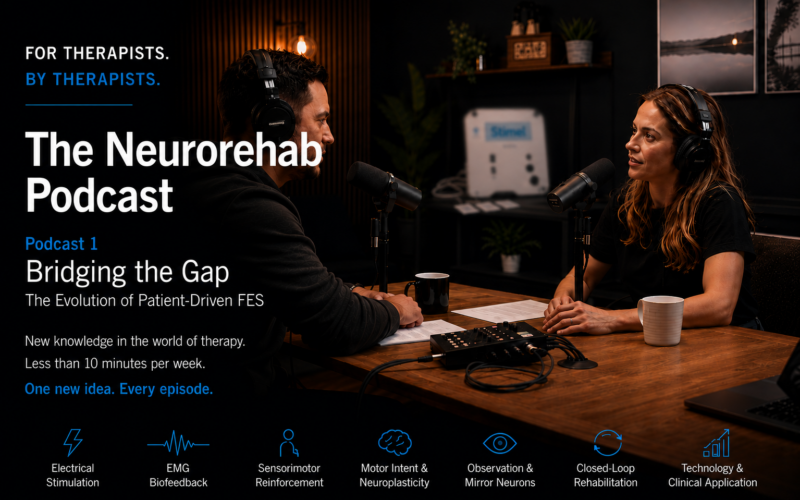
Bridging the Gap: The Evolution of Patient-Driven FES

The podcast dives into the fundamental clinical problem where many patients lack the voluntary activation needed for the high repetitions required for neuroplasticity. While traditional FES systems produced passive muscle contractions independently of intent, modern closed-loop systems synchronize stimulation with the patient’s own effort. This pairing strengthens the sensorimotor loop by providing immediate proprioceptive feedback […]